Are Sticking Doors and Windows a Foundation Problem?
A door that suddenly drags across the floor or refuses to latch can be frustrating. A window that used to slide easily may start binding in its frame. Because both are commonly listed among the signs of foundation movement, homeowners sometimes assume the worst as soon as one opening starts giving them trouble.
There are several possible explanations. Humidity can cause wood to swell. Paint buildup, loose hinges, worn hardware, or an aging frame can also make a door or window harder to operate.
Foundation movement becomes more likely when the sticking appears alongside other changes around the home. Cracks, uneven floors, gaps around frames, or several doors suddenly becoming difficult to close can form a pattern worth investigating.
Why Humidity Can Make Doors Stick
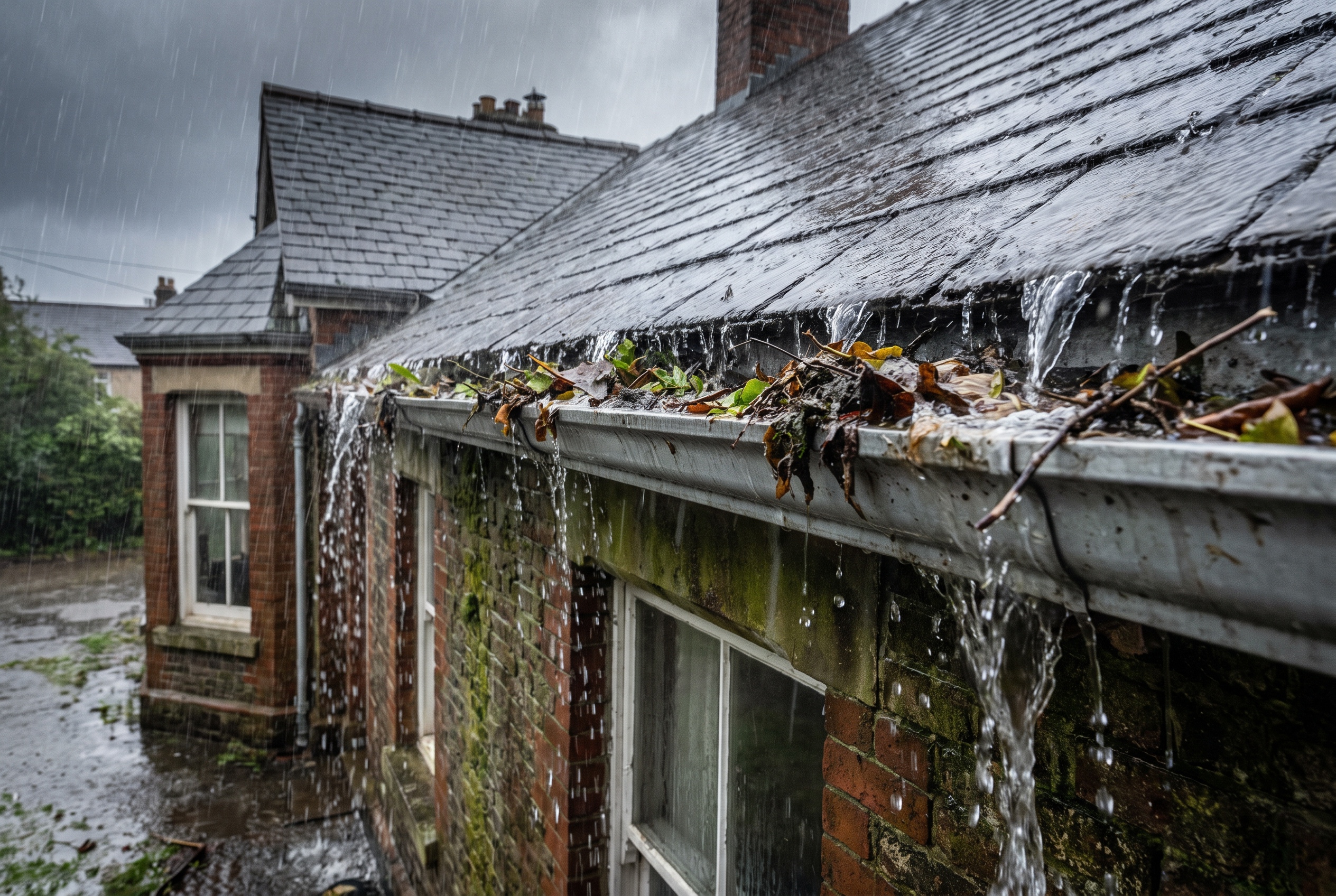
Wood responds to changes in moisture. When humidity increases, wood can absorb some of that moisture and expand. Even a small change may be enough to make a tight-fitting door rub against its frame.
The U.S. Department of Energy’s Building Science Education program lists shrinking and warping wood and sticking drawers among the signs that moisture conditions may be affecting building materials. You can read its overview of common moisture problems for more examples.
This kind of sticking may appear seasonally. A wooden exterior door might drag during a humid stretch and operate normally again when conditions become drier.
That pattern points more toward the door or indoor moisture conditions than toward structural movement, especially when there are no other changes elsewhere in the house.
Other Simple Reasons a Door or Window May Stick
Before worrying about the foundation, check the opening itself.
A door can sag slightly when hinge screws loosen. Layers of paint can narrow the clearance between the door and jamb. Weatherstripping can bunch up, and older doors may warp over time. Windows can develop problems with tracks, balances, locks, or accumulated paint and debris.
One troublesome door in an otherwise unchanged house often has a fairly ordinary explanation.
The situation becomes more interesting when the frame itself appears to have changed shape or when similar problems begin appearing in multiple parts of the home.
How Foundation Movement Can Affect Door and Window Frames
Doors and windows depend on square, stable openings. When one portion of a foundation settles relative to another, the structure above it can shift slightly as loads redistribute through the framing.
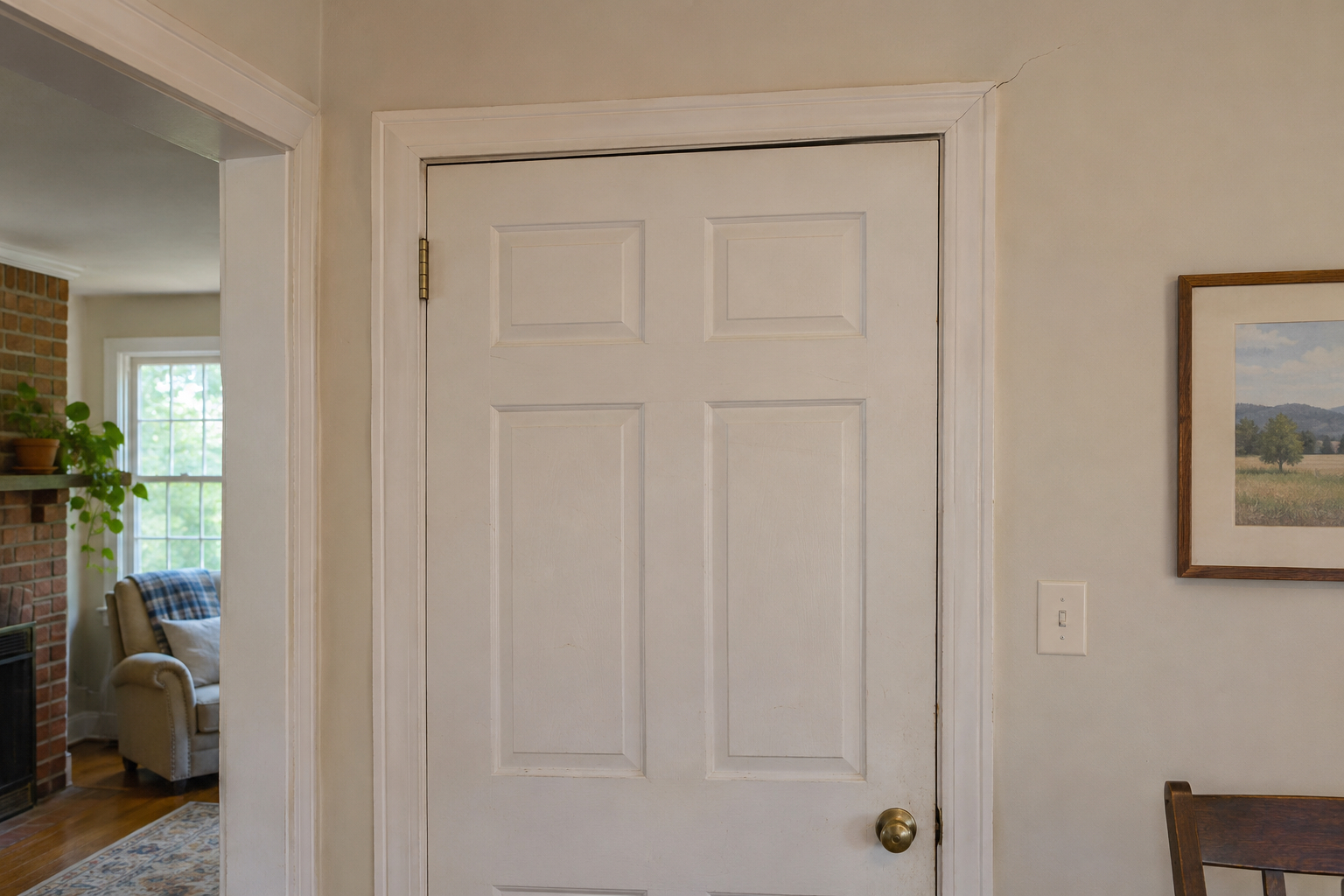
That movement can distort an opening enough that a door no longer hangs squarely inside its frame. The latch may stop lining up with the strike plate. One upper corner may develop a wider gap while the opposite corner becomes tight. A window may begin rubbing or require more force to open.
We include suddenly sticking doors and windows among the common signs of foundation problems we look for during an inspection.
The door itself still does not tell us exactly what is happening below the house. We look at the surrounding structure to see whether the sticking is part of a larger pattern.
Look for Cracks Around the Door or Window
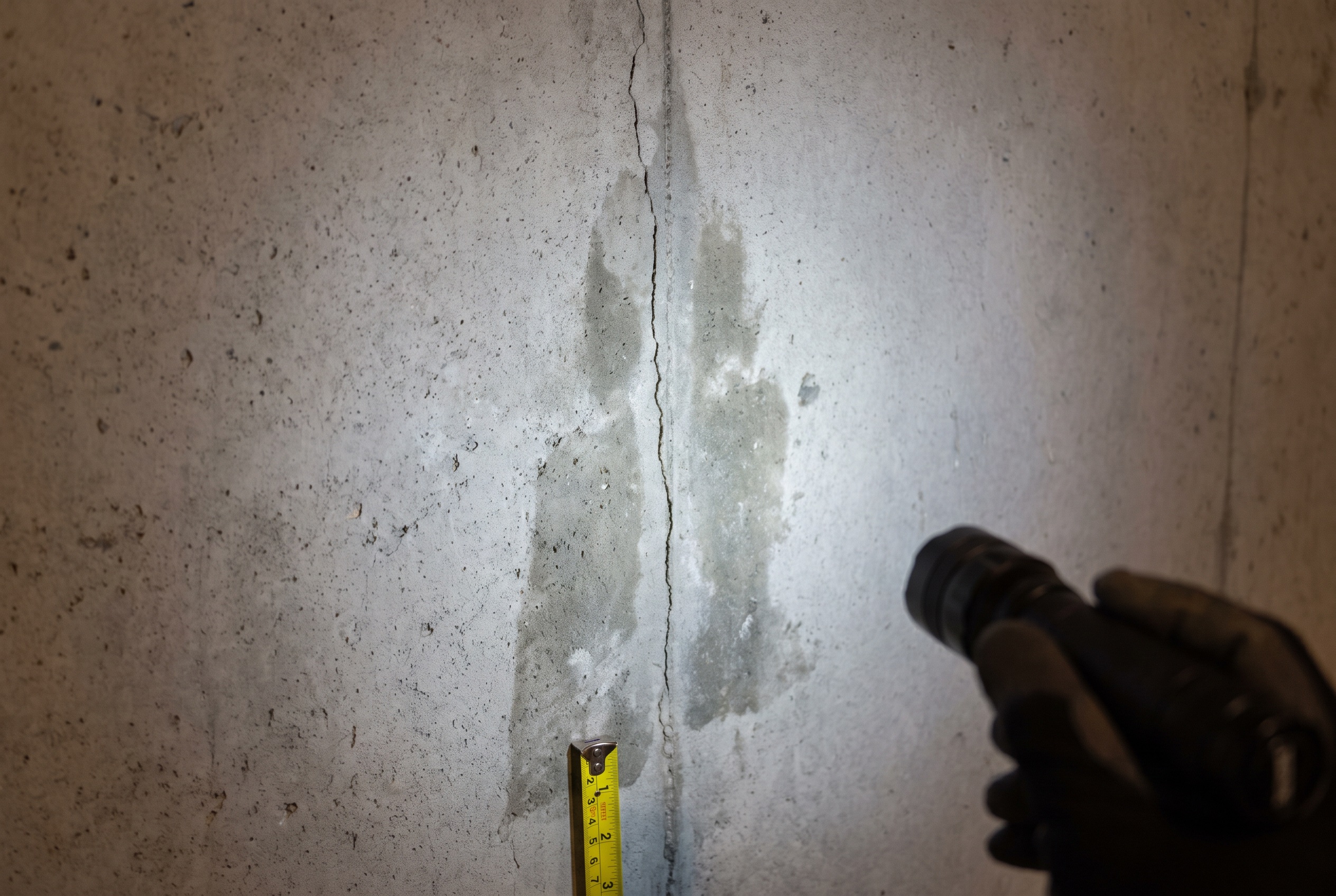
Cracks near openings can provide another clue because doors and windows create natural weak points in a wall where movement may become visible.
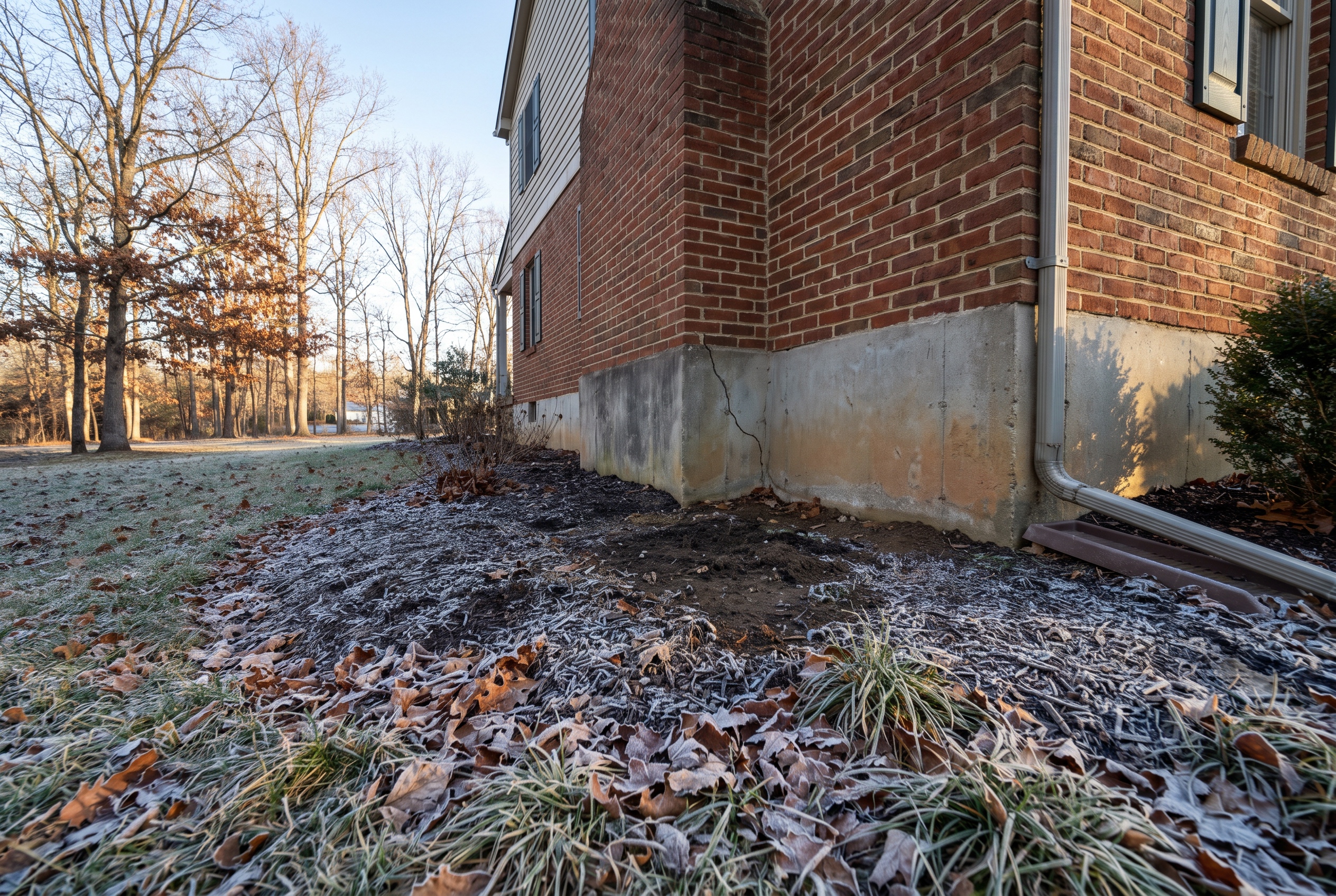
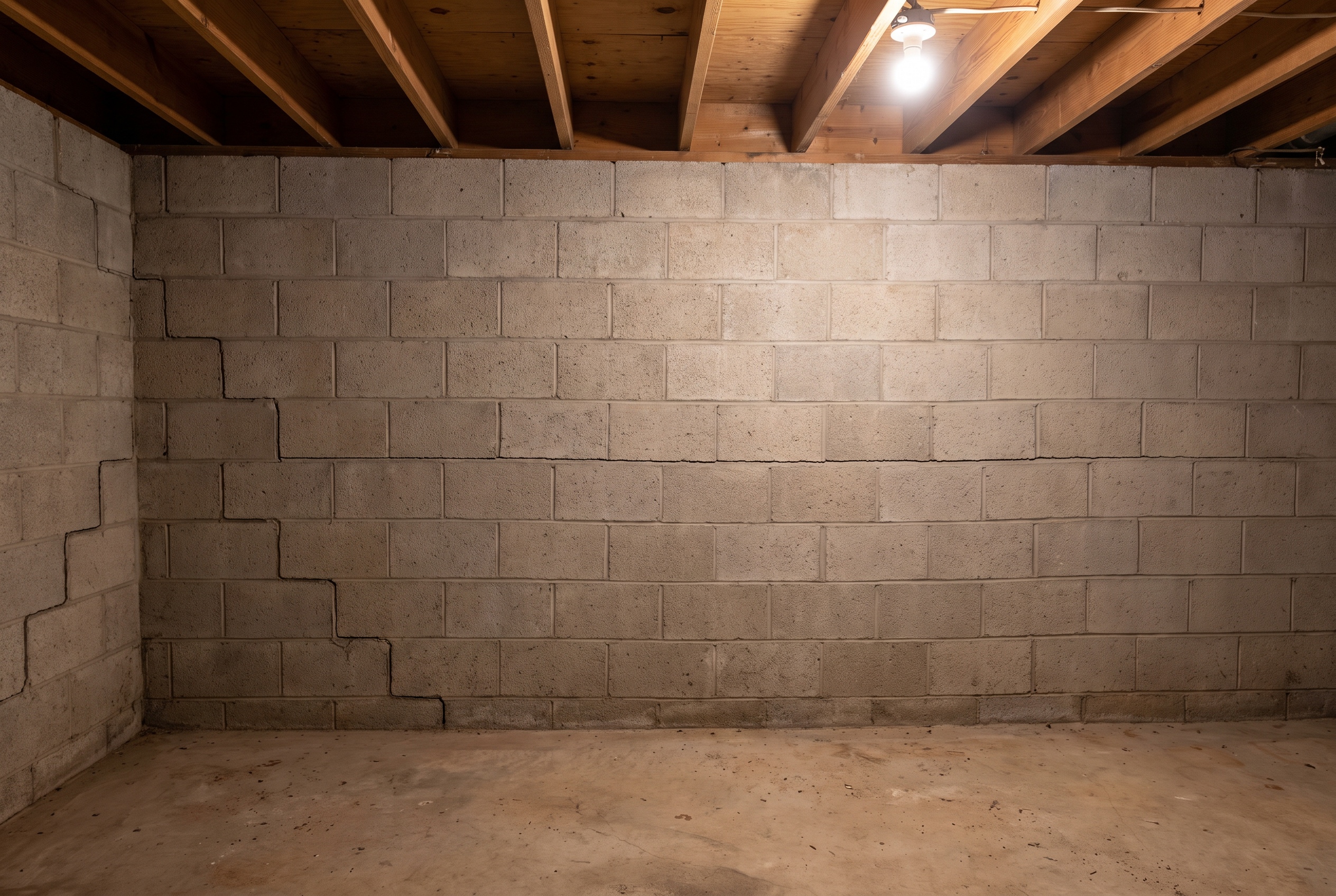
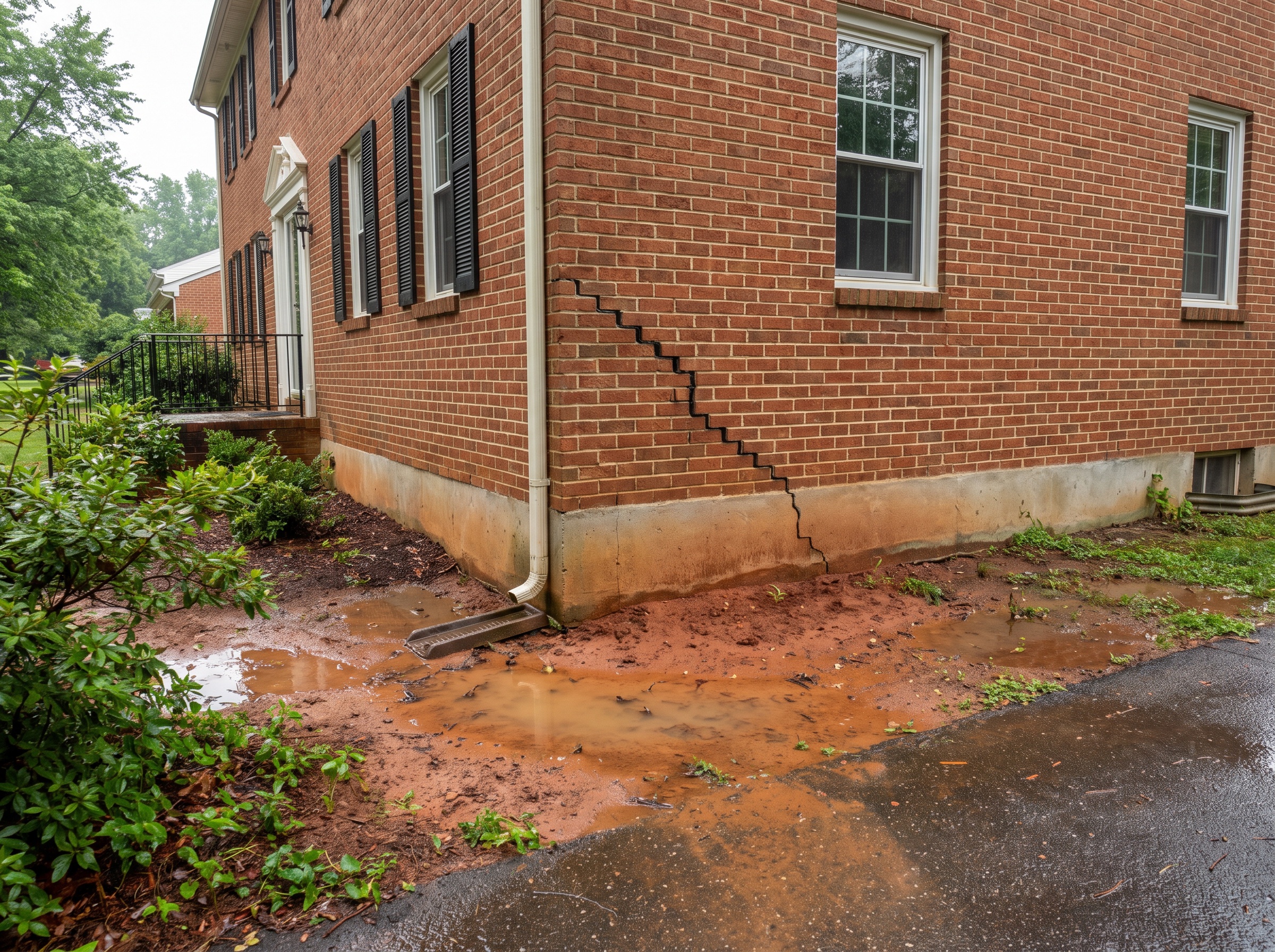
You might notice a diagonal drywall crack extending upward from the corner of a door or window. On a brick exterior, stair-step cracking may follow mortar joints near an opening.
A small drywall crack by itself can come from ordinary material movement, previous repairs, or changes in humidity. A crack that continues to grow while the nearby door becomes harder to close deserves more attention.
Exterior masonry cracks are especially useful to document. Take a clear photo and compare it over time rather than relying on memory.
Check Whether the Floor Is Changing Too
If a door begins sticking at the same time a nearby floor starts feeling uneven, the two symptoms may be related.
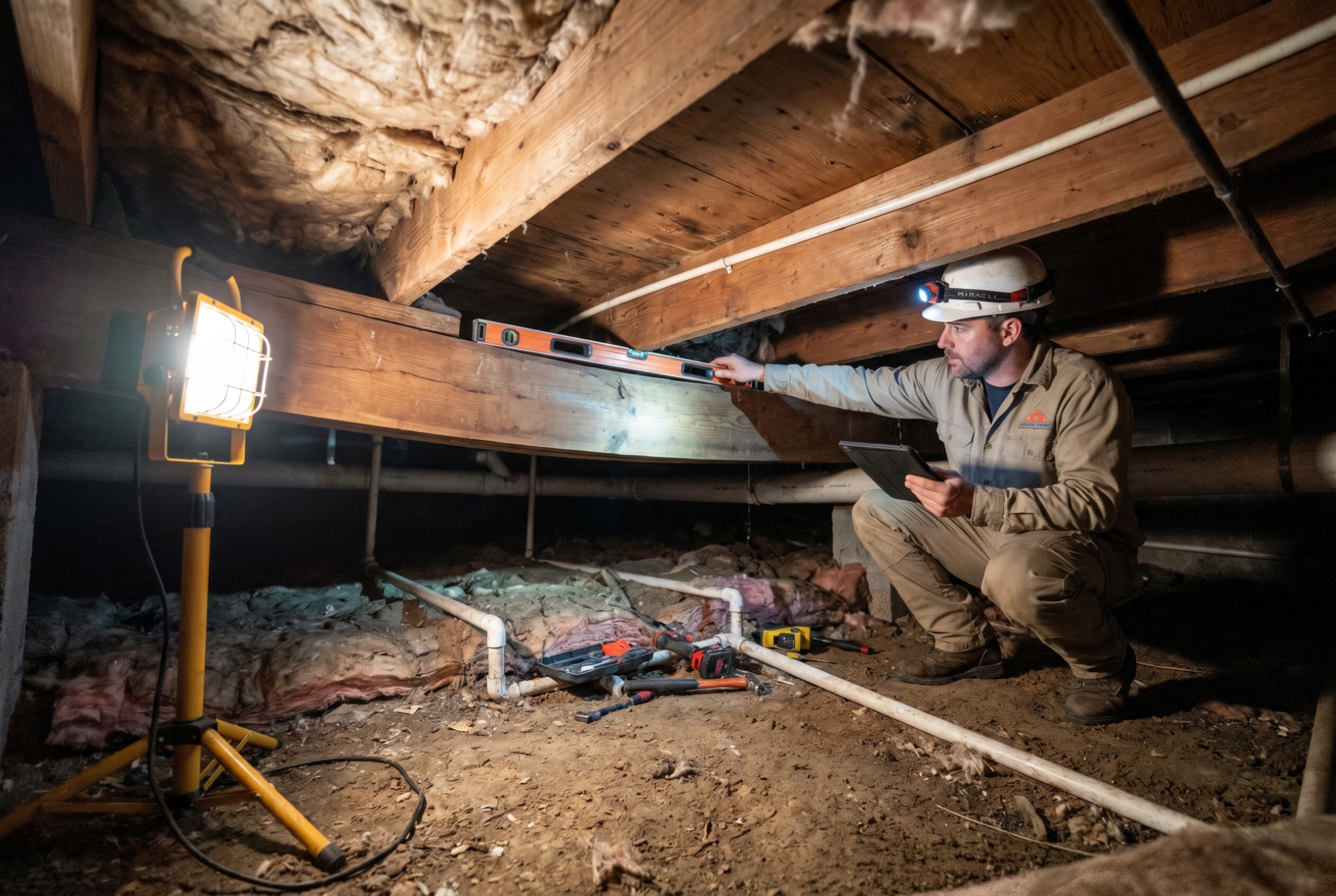
In a crawl-space home, floor problems can result from weakened joists, beams, or support posts beneath the house. A support may also have settled or shifted. We install steel jack supports when an inspection shows that a floor system needs additional structural support.
Movement at the perimeter foundation can create similar symptoms upstairs. This is why we do not choose a repair based solely on the fact that a door sticks. We need to determine which part of the structure has moved, if anything has moved at all.
One Sticking Door vs. Several Sticking Doors
The number and location of affected openings can be helpful.
If one old bathroom door sticks every humid summer, the problem may be confined to that door. If several doors on the same side of the house become difficult to close within a relatively short period, we pay closer attention to the structure beneath them.
The same applies when doors and windows start changing together. A sticking window, nearby drywall cracking, a gap developing around trim, and a sloping floor provide much more information as a group than any one symptom does alone.
What Does Foundation Settlement Look Like Elsewhere?
Settlement occurs when part of a foundation moves downward relative to the rest of the structure. Changes in soil moisture, erosion, poorly compacted fill, and weak or unstable soil can all play a role.
Along with sticking doors and windows, signs may include:
- Stair-step cracks in brick or concrete block
- Diagonal cracks near doors and windows
- Gaps between walls, ceilings, floors, or trim
- Uneven or sloping floors
- Foundation cracks with visible displacement
- A porch, chimney, or addition pulling away from the house
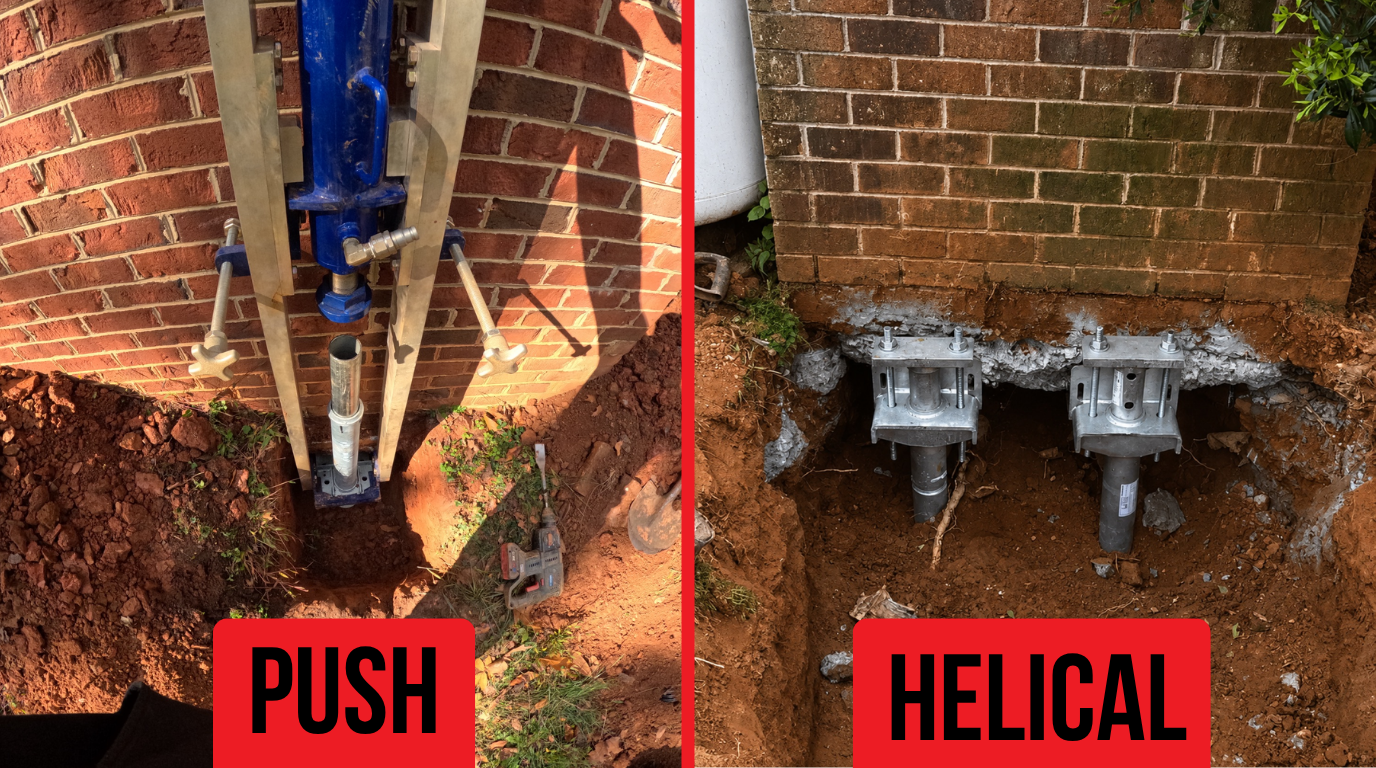
If our inspection confirms that a section of the foundation is settling, one possible repair is a pier system that transfers the weight of the home to stronger soil below. We use helical piers and other foundation stabilization methods depending on the structure, soil conditions, and type of movement.
Could the Problem Be in the Crawl Space Instead?
Yes. Not every structural symptom upstairs begins at the exterior foundation.
A home with a crawl space relies on beams, joists, columns, and supports beneath the floor. Moisture damage, inadequate support, settlement beneath a post, or weakened framing can allow a section of the floor system to sag.
That movement can affect interior walls and door openings above it. A sticking door combined with bouncy or sagging floors may therefore point us toward the crawl space first.
During a crawl space inspection, we can look at the framing, supports, moisture conditions, and floor movement together rather than assuming the perimeter foundation is responsible.
Should You Adjust the Door Before Checking the Foundation?
If the problem is clearly minor, simple door maintenance may be reasonable. Tightening a loose hinge screw or cleaning a window track is not going to hide a structural problem.
Be more cautious about permanently cutting, planing, or reframing an opening when several structural warning signs are present. If the frame has changed because the structure moved, modifying the door may make it close temporarily while the underlying movement continues.
Documenting the problem first is useful. Take photos of unusual gaps, cracks, or misalignment before making major adjustments.
When Should You Have Sticking Doors and Windows Inspected?
Consider an inspection when a door or window changes suddenly and you can also see other signs of movement around the home.
We would especially want to take a closer look if several openings have become difficult to operate, cracks are growing, floors are becoming less level, masonry is separating, or visible gaps have developed around frames.
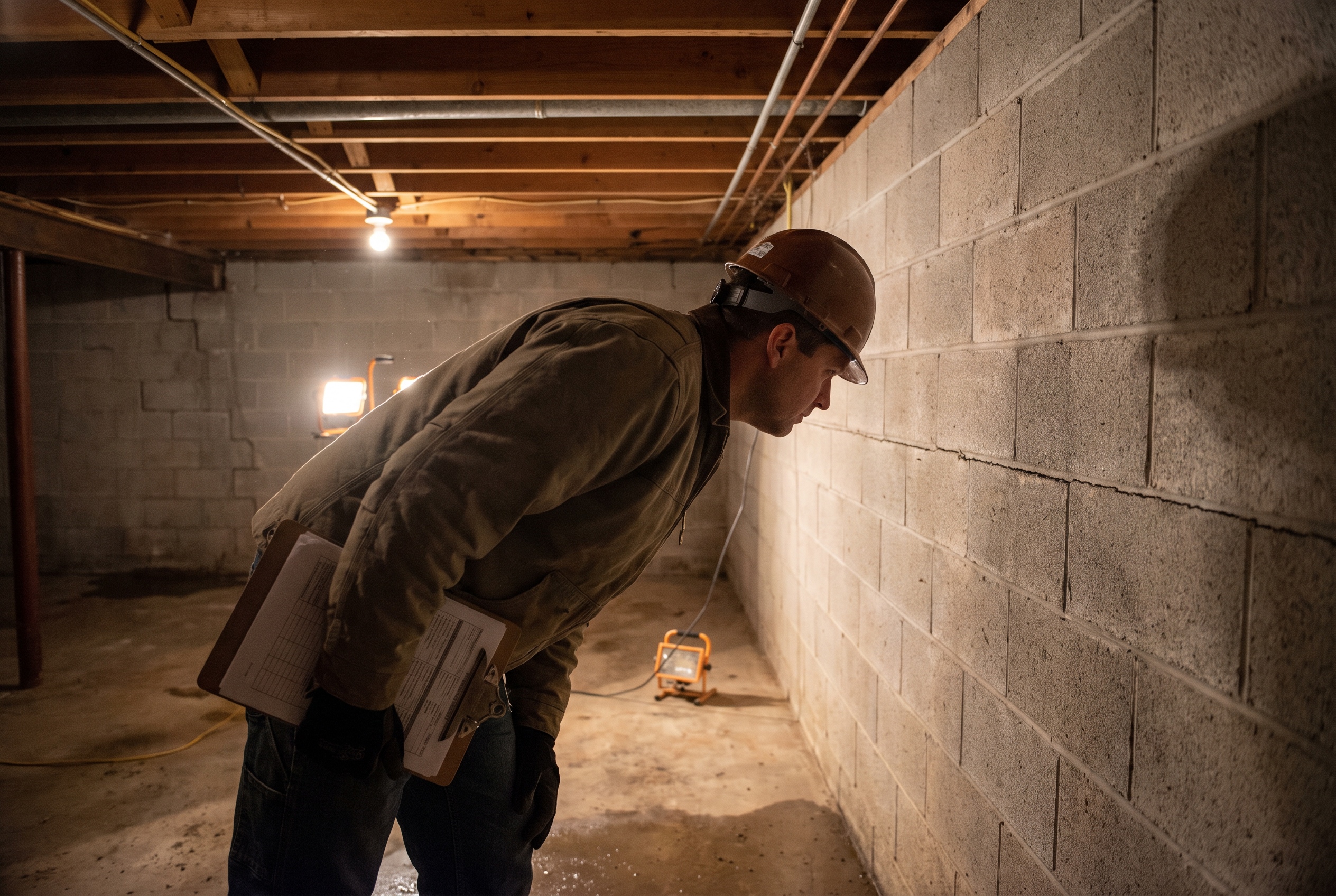
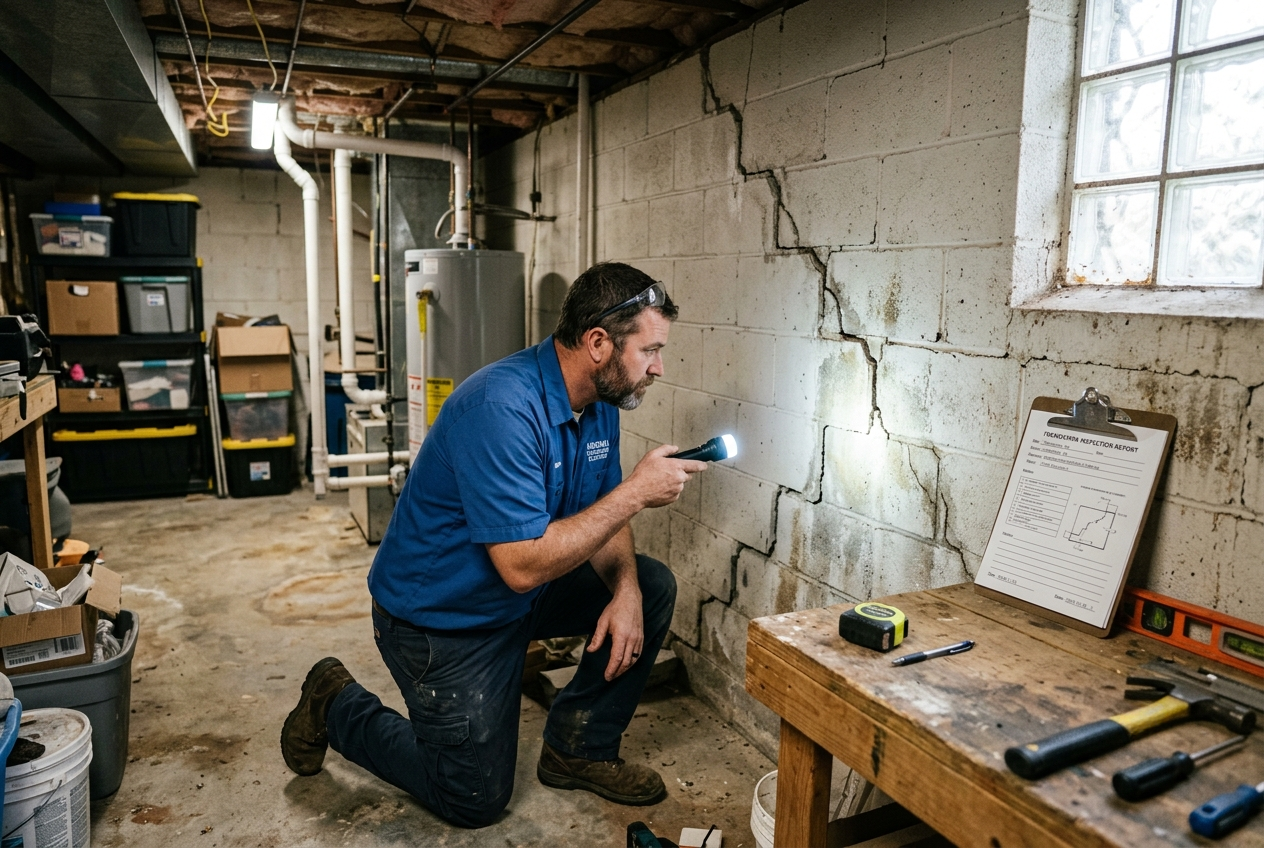
During a foundation inspection, we look beyond the door itself. We document cracks and other symptoms, take measurements, inspect the foundation or crawl space, and look for a consistent pattern that explains what the house is doing.
Sometimes we find a structural problem that needs repair. Sometimes the evidence does not point to foundation movement at all.
Look for the Pattern Before Assuming the Cause
A sticking door can be annoying without being structurally significant. Humidity, aging materials, hardware, and ordinary maintenance issues are all possible causes.
When sticking doors or windows appear alongside cracking, uneven floors, gaps, or other signs of movement, having the structure checked can help separate a simple carpentry problem from something happening below the house.
Level Up Foundation Repair provides free, no-obligation inspections throughout Central and Southwest Virginia. We document what we find and recommend repair only when the conditions support it.
If your doors or windows have started sticking and you are seeing other changes around the home, schedule a free inspection with us.
FAQ
Does a sticking door always mean foundation problems?
No. Humidity, loose hinges, paint buildup, warped wood, and worn hardware can all make a door stick. Foundation movement becomes more likely when the problem appears with cracks, uneven floors, gaps around frames, or several affected doors and windows.
Why does my door only stick during certain times of the year?
Seasonal humidity can cause wood doors and frames to expand and contract. If the door predictably sticks during humid weather and there are no other signs of structural movement, moisture-related swelling may be the more likely explanation.
What do foundation-related door problems look like?
A door may stop fitting squarely in its opening, rub at one corner, develop uneven gaps, or stop lining up with the latch. These changes are more concerning when they develop alongside wall cracks, sloping floors, exterior masonry cracks, or other signs of movement.
Can crawl space problems make doors stick?
Yes. Sagging beams, weakened floor joists, inadequate supports, or settlement beneath crawl-space supports can affect the walls and door openings above them. An inspection can help determine whether the movement begins in the crawl space or at the perimeter foundation.