
Appomattox, VA · Serving Central & SW Virginia

Tag: wet basement

  • Do You Need a Sump Pump, a Drainage System, or Both?

    Do You Need a Sump Pump, a Drainage System, or Both?

    Do I Need a Sump Pump, a Drainage System, or Both?

    If you have water in your basement after heavy rain, you may be asking a simple question: do I need a sump pump? Sometimes the answer is yes. Sometimes a sump pump is only part of the answer.

    A sump pump removes water from a sump basin and sends it away from the house. A basement drainage system collects water around the basement perimeter and directs it to that basin. In many wet-basement situations, those two parts work together. The drainage system gathers the water, and the sump pump moves it out.

    For homeowners in Central and Southwest Virginia, this distinction matters. Heavy rain, clay-heavy soil, poor grading, clogged gutters, and rising groundwater can all put pressure on a basement. If water is showing up along the floor-wall joint or entering from more than one area, simply placing a pump in the basement may not address the path the water is taking.

    What a Sump Pump Actually Does

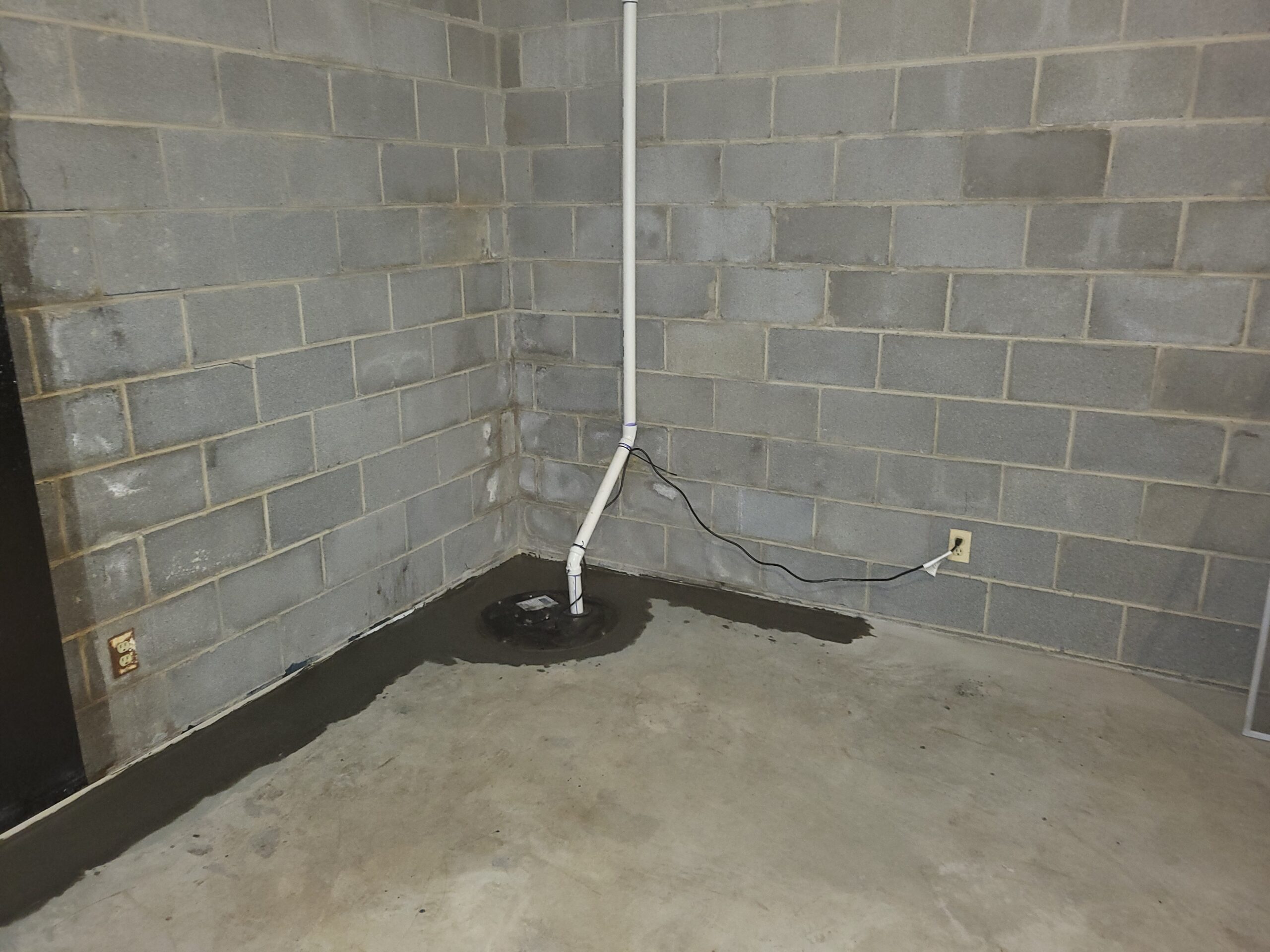
    A sump pump sits inside a basin, often called a sump pit, installed at the lowest practical point in the basement or crawl space. When water collects in the basin and rises to a certain level, the pump turns on and discharges that water through a pipe to a safe location outside the home.

    A properly installed sump pump can be a major part of a basement waterproofing system. It helps remove water before it spreads across the floor, soaks stored belongings, damages finishes, or keeps the basement damp after every storm.

    Level Up Foundation Repair installs sump pump systems designed to help protect basements during heavy rain and wet conditions.

    The pump still needs water to reach the basin. If water is entering along one wall, under the slab, or around the basement perimeter without a drainage path to the sump, the pump may not collect it effectively. That is where the drainage system becomes important.

    What a Basement Drainage System Does

    A basement drainage system gives water a controlled route. Instead of letting seepage spread across the floor, an interior perimeter drainage system collects water near the floor-wall joint and directs it to a sump basin.

    This type of system is commonly used when water enters where the basement wall meets the floor, when groundwater pressure pushes moisture upward, or when exterior excavation is not the most practical option. The goal is to manage the water before it damages the basement space.

    Building America’s guide to drains and sump pumps in basements and crawl spaces explains that sump pumps can collect water from foundation drainage piping and pump it out and away from the home.

    Level Up’s basement drainage systems are built around that same practical idea: collect the water, move it to the sump pump, and discharge it away from the foundation.

    When a Sump Pump Alone May Be Enough

    A sump pump alone may be enough when water is already reaching a sump basin and the main problem is that the existing pump is missing, undersized, old, or unreliable.

    For example, a basement may already have a drainage path or low-point collection area, but the pump cannot keep up during storms. In that case, replacing or upgrading the sump pump may solve the immediate issue. The same may be true if the pump has failed, the float switch is sticking, the discharge line is blocked, or the system lacks a proper check valve.

    A pump upgrade may also make sense when a basement only gets limited water during major storms and there is no sign of widespread seepage around the perimeter. Even then, the surrounding conditions should be checked. Gutters, downspouts, grading, and discharge location can all affect how hard the pump has to work.

    When You May Need a Drainage System Too

    If water is entering along the basement perimeter, a sump pump by itself may not be enough. Water needs a reliable way to reach the basin.

    A drainage system may be needed when you see water coming in where the wall meets the floor, dampness along several basement walls, recurring seepage after rain, or water stains that appear in multiple areas. It may also be needed when hydrostatic pressure is pushing water up through cracks, seams, or the floor-wall joint.

    Without a drainage system, water can take the easiest path into the basement. It may spread across the floor before it ever reaches the pump. It may collect behind finished walls. It may show up in one corner during one storm and a different area during the next.

    A good interior drainage system reduces that guesswork. It gives water a planned route to the sump basin, which allows the pump to do its job.

    Signs You Should Have the Basement Inspected

    You do not need to know the full repair plan before calling for an inspection. The point of the inspection is to figure out where the water is coming from and how it should be managed.

    Schedule an inspection if you notice:

    • Water in the basement after heavy rain
    • Dampness along the floor-wall joint
    • Musty odors or high basement humidity
    • Water stains on walls or floors
    • A sump pump that runs constantly during storms
    • A pump that cannot keep up with incoming water
    • Water entering from more than one area
    • Finished basement materials showing moisture damage

    These signs do not all point to the same repair. Some homes need a better pump. Some need interior drainage. Some need exterior drainage improvements, grading work, downspout corrections, crack repair, or a full basement waterproofing plan.

    Do You Need a Battery Backup?

    A sump pump depends on power. Unfortunately, some of the storms that bring the most water can also knock out electricity. If the power goes out while water is still entering the basement, a standard pump cannot run.

    A battery backup system gives the sump pump setup another layer of protection. It can help keep water moving during outages, pump failures, or severe weather events. This is especially worth considering if the basement is finished, used for storage, or has flooded before.

    Level Up offers sump pump battery backup systems for homeowners who want added protection during heavy storms and power outages.

    Why Diagnosis Matters Before Installing Anything

    Basement water problems can look similar from the floor, but the source may be different from one home to the next. Water could be entering through cracks, collecting at the footing, rising from below the slab, running toward the foundation from poor grading, or overwhelming an old drainage system.

    That is why a good contractor should not treat every wet basement as the same project. The inspection should look at the interior symptoms, exterior drainage, foundation condition, sump location, discharge route, and how water behaves during storms.

    A targeted repair might be a new sump pump. It might be an interior drainage system and sump pump together. It might include a battery backup or exterior water-management improvements. The right plan should match the actual water path.

    Get a Practical Waterproofing Recommendation

    If you are wondering whether you need a sump pump, a drainage system, or both, Level Up Foundation Repair can inspect the basement and explain the options clearly.

    Level Up provides free inspections and estimates for homeowners across Central and Southwest Virginia. If your basement leaks after rain, your sump pump is struggling, or you are planning to finish the basement and want to handle water first, contact Level Up Foundation Repair for a no-pressure inspection.

    FAQ

    Do I need a sump pump if my basement only leaks during heavy rain?

    You may need a sump pump, but the source of the water matters. If water is collecting in one low area and can be directed to a basin, a sump pump may help. If water enters along the perimeter or from several locations, an interior drainage system may also be needed.

    Can a sump pump work without a drainage system?

    Yes, but only if water can reach the sump basin. If seepage is spread around the basement or coming through the floor-wall joint, a drainage system may be needed to collect the water and direct it to the pump.

    What is the difference between a sump pump and a basement drainage system?

    A sump pump removes collected water from the basin and sends it away from the home. A basement drainage system collects water from around the basement perimeter and moves it to that basin. They often work together as part of an interior waterproofing system.

    Should I install a battery backup for my sump pump?

    A battery backup is a smart option for many homes, especially if the basement has flooded before, is finished, or stores valuable belongings. It helps the system keep working when storms cause a power outage.
  • Interior vs. Exterior Basement Waterproofing: Which One Makes Sense?

    Interior vs. Exterior Basement Waterproofing: Which One Makes Sense?

    Interior vs. Exterior Basement Waterproofing: Why the Right Choice Depends on the Problem

    If you’re comparing interior vs exterior basement waterproofing, you’re probably dealing with water in the basement or trying to prevent it before finishing the space. Both approaches can help, but they solve the problem in different ways.

    Exterior waterproofing is designed to stop or redirect water before it enters through the foundation wall. Interior waterproofing manages water that reaches the inside edge of the basement and directs it to a drainage system, sump pump, or other discharge point.

    For homeowners in Central and Southwest Virginia, the right answer depends on the home, the foundation, the soil, the source of the water, and how practical excavation would be. A basement that leaks through one wall after heavy rain may need a different plan than a basement with water entering at the floor-wall joint around multiple sides.

    The best waterproofing plan starts with diagnosis. Where is the water coming from? How often does it happen? Is there outside grading or gutter runoff pushing water toward the foundation? Are there cracks, hydrostatic pressure, clogged drains, or signs of structural movement? Those answers should come before any repair recommendation.

    How Exterior Basement Waterproofing Works

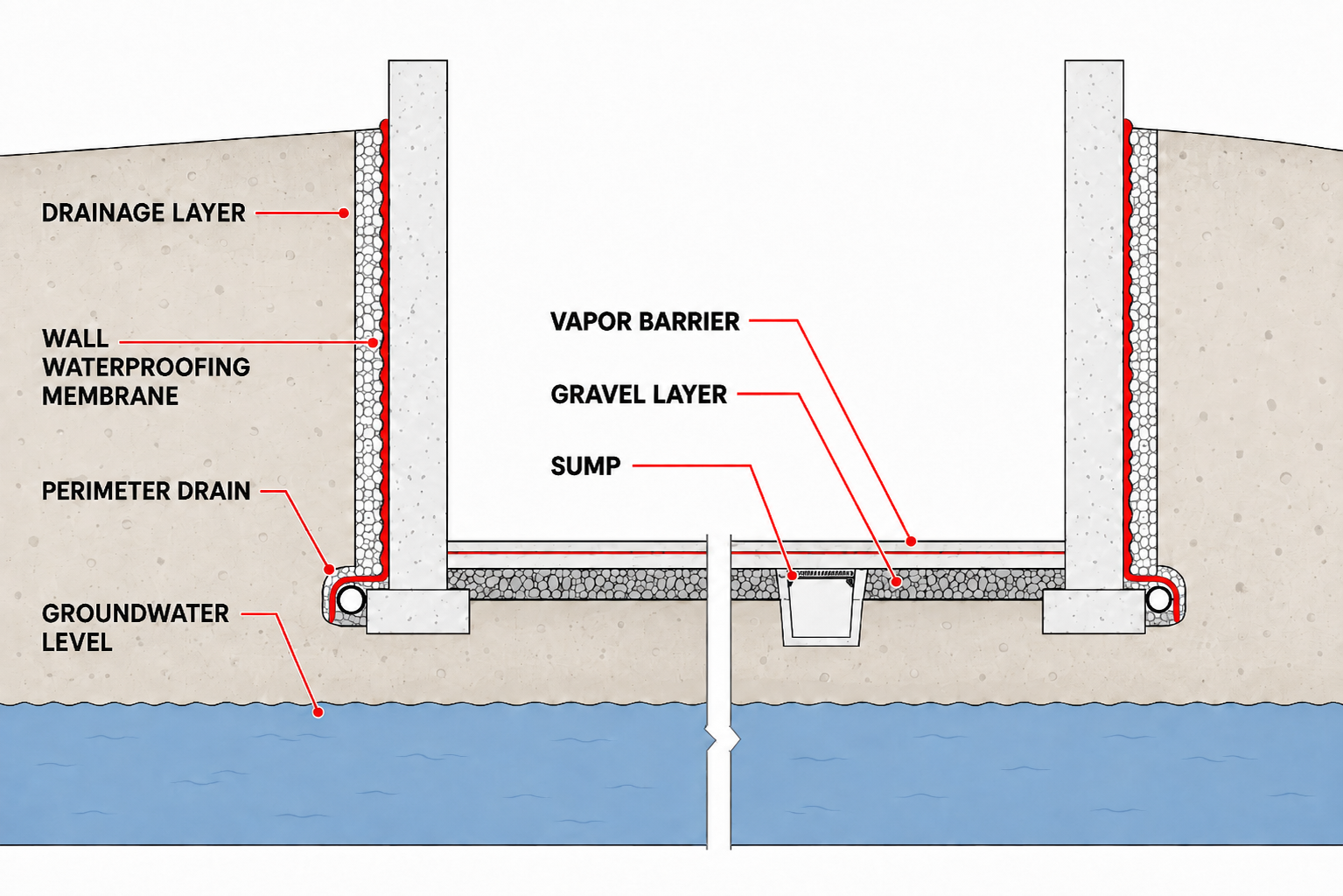
    Exterior basement waterproofing focuses on the outside of the foundation. In a typical exterior repair, soil is excavated along the affected foundation wall so the contractor can access the outside surface. The wall may be cleaned, cracks or openings may be repaired, and a waterproofing membrane or coating may be applied. Drainage material, such as a drainage mat or gravel, may also be installed to help water move down to a drain system instead of pressing directly against the wall.

    The Building America Solution Center describes below-grade water management strategies that include exterior waterproofing, a drainage layer, and connection to an exterior perimeter drain where site conditions allow. You can read more in its guide to below-grade water management.

    Exterior waterproofing is often the most direct way to address water before it reaches the basement wall. It can be especially useful when a specific exterior wall is the problem and access around the home is realistic.

    The challenge is the work required to get there. Excavation can be disruptive, especially near patios, porches, decks, sidewalks, driveways, landscaping, utilities, tight side yards, or additions. In older Virginia homes, the outside of the foundation may also reveal previous repairs, fragile materials, or conditions that make a simple exterior project more complicated.

    How Interior Basement Waterproofing Works

    Interior basement waterproofing manages water from inside the basement. A common approach is to install an interior perimeter drainage system along the floor-wall joint. Water that enters near the footing or through the wall is collected by the drainage system and directed to a sump pump or discharge location.

    Interior systems are often used when water is entering at the base of the wall, when hydrostatic pressure is pushing water up through the floor or floor-wall joint, or when exterior excavation would be too costly, disruptive, or impractical.

    An interior system does not make the outside soil dry. Instead, it gives water a controlled path so it does not spread across the basement floor, damage finishes, or keep the space damp after every storm.

    For many existing homes, this can be a practical and effective repair. Level Up Foundation Repair offers basement waterproofing solutions that may include interior drainage, sump pumps, and moisture control depending on what the basement needs.

    When Exterior Waterproofing May Make Sense

    Exterior waterproofing may make sense when the water source is clearly outside one foundation wall and the area can be excavated without creating a larger headache. It can also be a strong option during new construction or major exterior renovations, when the foundation wall is already exposed or easier to reach.

    It may be worth considering if the basement wall has exterior cracks, failed coatings, poor backfill drainage, or water that consistently enters through one accessible section. Exterior work may also be paired with grading improvements, downspout extensions, and exterior drain work so water moves away from the home more effectively.

    However, exterior waterproofing is not always the most realistic first option for an existing home. If the problem is widespread around the basement perimeter, if the yard is tight, or if hardscape and utilities block access, the cost and disruption can climb quickly.

    When Interior Waterproofing May Make Sense

    Interior waterproofing may be the better fit when water enters at the floor-wall joint, when the basement has recurring seepage during heavy rain, or when exterior excavation is not practical. It is also commonly used when the goal is to keep the basement dry from the inside with less disruption to the yard.

    An interior drainage system can be especially helpful in areas with high water pressure around the foundation. Instead of allowing water to collect on the floor, the system captures it and sends it to a sump pump. A properly installed sump pump then moves the water out and away from the home.

    Interior waterproofing may also be part of a plan before finishing a basement. EPA guidance on home remodeling and indoor air quality recommends checking basements for leaks or other moisture problems before converting the space into living area. In some cases, moisture issues may be helped by redirecting downspout runoff away from the foundation. You can read more from the EPA’s remodeling and indoor air quality guidance.

    The timing matters. It is much better to handle basement water before drywall, flooring, trim, and furniture are in place.

    Drainage and Grading Still Matter

    Waterproofing should not ignore the outside of the home, even when the repair itself is installed inside. Gutters, downspouts, grading, patios, walkways, and landscaping all affect how much water reaches the foundation.

    If downspouts dump roof water beside the basement wall, the waterproofing system has to deal with more water than it should. If the yard slopes toward the house, storms will keep sending runoff to the foundation. If mulch beds are built high against the wall, they can trap moisture where it does not belong.

    Small exterior improvements can sometimes reduce the load on a basement waterproofing system. Extending downspouts, cleaning gutters, correcting grading, and keeping soil from piling against the foundation are not glamorous fixes, but they can make a real difference.

    What About Waterproof Paint?

    Waterproof paint and interior coatings are common because they are easy to buy and apply. They may help with minor dampness or surface moisture in limited situations, but they should not be treated as a full basement waterproofing solution.

    If water is entering through cracks, under the floor, at the wall-floor joint, or because of outside pressure, paint will not correct the source of the water. It may temporarily hide damp areas, but pressure can still build behind the coating. Peeling, bubbling, staining, and recurring moisture are common signs that the wall needs more than paint.

    A basement that leaks during heavy rain needs a plan for water movement. That may involve drainage, a sump pump, crack repair, exterior improvements, or a combination of repairs.

    How to Choose Between Interior and Exterior Waterproofing

    The choice should come from the inspection, not from a preference for one method over the other. A contractor should look at where the water appears, how the basement is built, what the outside drainage looks like, whether the foundation wall is cracked or bowed, and whether water is coming through the wall, floor, or joint.

    Exterior waterproofing may be the better choice when the issue is isolated, accessible, and clearly tied to the outside face of the wall. Interior waterproofing may be the better choice when water pressure is affecting the basement from below or along the perimeter, or when excavation would be unreasonable for the home.

    Some homes need both interior and exterior improvements. A basement may need an interior drainage system and better exterior downspout control. A leaking crack may need repair while grading problems are corrected outside. A bowing or cracked wall may need foundation repair before waterproofing decisions are finalized.

    Good waterproofing is rarely about choosing the most expensive option. It is about matching the repair to the way water is actually getting in.

    Get a Basement Waterproofing Inspection Before Guessing

    If your basement leaks during heavy rain, smells musty, shows water stains, or has damp areas along the wall or floor, start with an inspection. Guessing can lead to wasted money, especially if the repair does not address the actual water path.

    Level Up Foundation Repair provides free inspections and estimates for homeowners across Central and Southwest Virginia. If you are trying to decide between interior and exterior basement waterproofing, contact Level Up Foundation Repair for a no-pressure inspection and a practical explanation of what makes sense for your home.

    FAQ

    Is interior or exterior basement waterproofing better?

    Neither option is automatically better for every home. Exterior waterproofing addresses water from the outside face of the foundation, while interior waterproofing manages water that reaches the inside perimeter. The right choice depends on the source of the water, the foundation, access around the home, and the severity of the problem.

    Does interior basement waterproofing stop water from entering the wall?

    Interior waterproofing usually manages water after it reaches the inside drainage area. It does not dry out the outside soil or stop all moisture from contacting the foundation wall. Its purpose is to collect water and move it away before it spreads across the basement.

    Is exterior waterproofing worth the cost?

    Exterior waterproofing can be worth it when the problem is on the outside of the wall and the area is accessible. It can become expensive when excavation involves landscaping, hardscaping, porches, utilities, or tight access. An inspection can help determine whether exterior work is practical for the situation.

    Can basement waterproofing be done before finishing a basement?

    Yes, and that is usually the smart time to do it. Any leaks, dampness, sump pump issues, or drainage problems should be addressed before adding drywall, flooring, trim, or furniture. Finishing a basement before solving water problems can lead to costly damage later.