Is Crawl Space Encapsulation Worth It?
If your crawl space smells musty, feels damp, has falling insulation, or leaves your home feeling humid, you may be asking: is crawl space encapsulation worth it? For many Virginia homeowners, the answer is yes, but only when the work matches the actual condition of the crawl space.
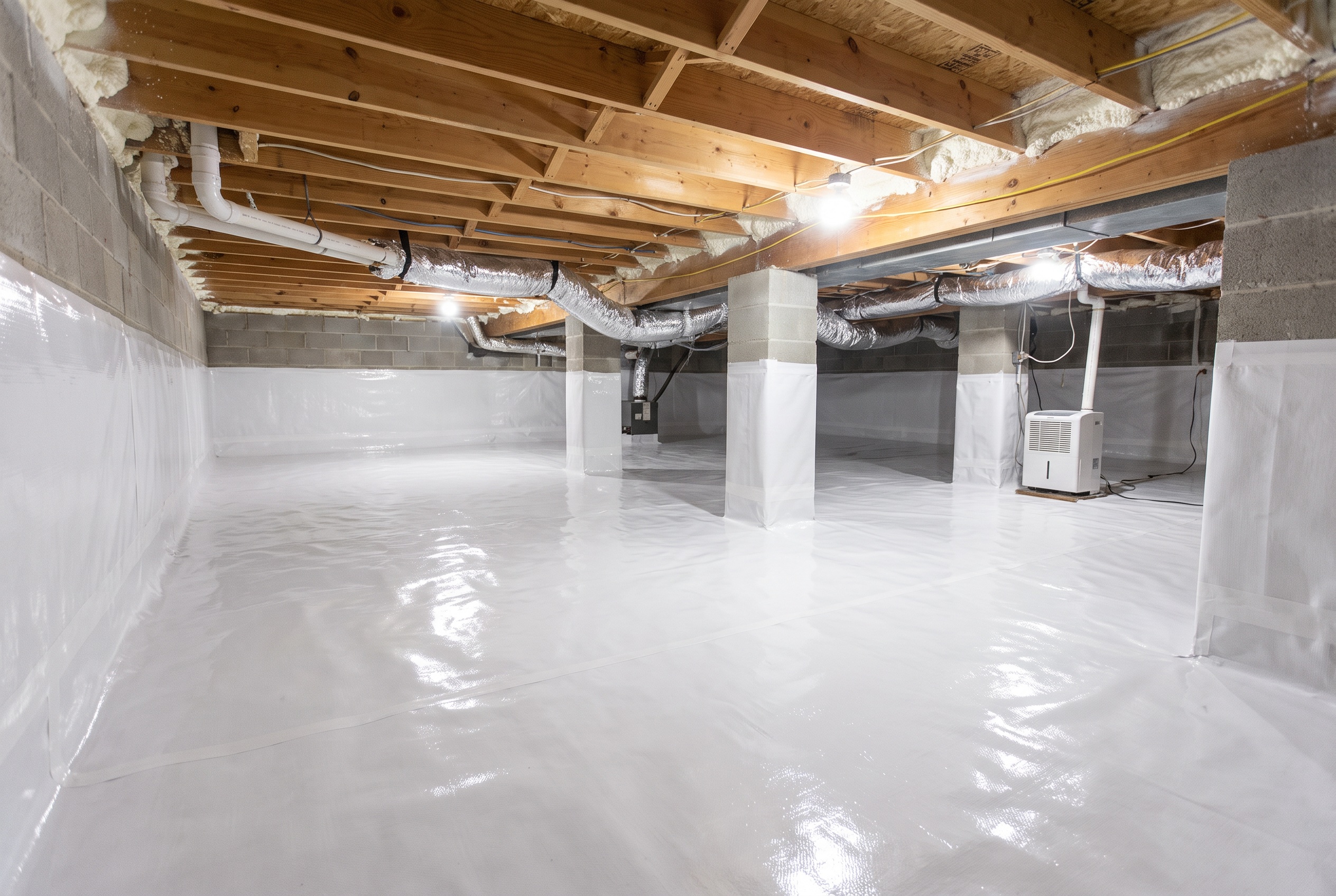
Crawl space encapsulation is designed to help control moisture below the home. A typical encapsulation project may include a sealed vapor barrier, air sealing, sealed vents or openings, drainage improvements, and a dehumidifier when needed. The goal is to create a cleaner, drier, more controlled crawl space instead of leaving bare soil, humid air, and outside moisture to keep causing problems.
In Central and Southwest Virginia, crawl spaces deal with a rough mix of humidity, heavy rain, clay soil, and seasonal temperature swings. A vented crawl space that seemed fine years ago may now be damp through much of the summer. Encapsulation can help, but it should not be treated as a plastic liner rolled over every problem. The crawl space has to be inspected first.
Why Crawl Spaces Get Damp in Virginia
Many crawl spaces were built with vents because the old idea was simple: let outside air move through the space and dry it out. In a humid Virginia summer, that idea can backfire. Warm, damp outdoor air enters the crawl space, reaches cooler surfaces, and can contribute to condensation on wood, ductwork, pipes, and insulation.
Moisture can also rise from bare soil. If the crawl space floor is exposed earth, ground moisture can evaporate into the air below the home. Add poor grading, short downspouts, plumbing leaks, or standing water after storms, and the crawl space can stay damp for long periods.
The EPA explains that controlling moisture is key to preventing mold growth in homes, and damp materials should be dried quickly when moisture or water problems are found. You can read more in the EPA’s guide to mold, moisture, and your home.
Moisture control matters because crawl spaces are tied to the rest of the house. Air movement, flooring, insulation, ductwork, and wood framing can all be affected by conditions below the first floor.
What Crawl Space Encapsulation Usually Includes
Crawl space encapsulation is more than laying plastic on the ground. A proper system is built to reduce moisture entry and help control the environment below the home.
Depending on the crawl space, encapsulation may include:
- A durable vapor barrier sealed across the crawl space floor
- Sealing around piers, seams, vents, and foundation walls
- Drainage improvements if water enters during storms
- A crawl space dehumidifier to manage humidity
- Insulation improvements where appropriate
- Repairs to damaged joists, beams, or supports before sealing the space
ENERGY STAR notes that basement and crawl space air sealing and insulation can improve comfort and durability when done correctly, and it references the need for a continuous sealed groundcover of vapor-resistant material in crawl spaces. Its basement and crawl space sealing guidance is a helpful resource for understanding why the details matter.
Level Up Foundation Repair provides crawl space solutions for moisture control, encapsulation, and related crawl space concerns across Central and Southwest Virginia.
When Encapsulation Is Worth It
Crawl space encapsulation is often worth considering when moisture is causing ongoing problems or creating conditions that can damage the home over time.
Good candidates often have musty odors, damp insulation, condensation, visible vapor or humidity problems, muddy soil, standing water after rain, wood moisture concerns, or high indoor humidity that seems to come from below the home. Encapsulation can also make sense before replacing insulation, repairing joists, or improving comfort in rooms over a crawl space.
For some homeowners, the value is practical. A sealed crawl space can be easier to inspect, less inviting to damp air, and better protected from ground moisture. It can also help support other repairs. If a crew repairs joists or installs new support systems in a damp crawl space without addressing moisture, the same environment that contributed to the original problem may still be there.
Encapsulation is especially worth a closer look if the crawl space has already needed repeated fixes. Replacing wet insulation every few years or treating musty smells without controlling the moisture source is usually a sign that the bigger issue has not been handled.
When Encapsulation May Not Be Enough by Itself
Encapsulation works best when the crawl space is prepared correctly. If there is standing water, drainage should be addressed. If the wood framing is damaged, structural repair may be needed. If the foundation has settlement or wall movement, sealing the crawl space will not correct that movement.
Some crawl spaces need drainage before encapsulation. Water that enters during storms should have a controlled path to a drain, sump, or discharge point where appropriate. Covering a wet crawl space without managing liquid water can trap problems instead of solving them.
Other homes need structural work first. Sagging floors, weakened beams, rotted joists, or failing supports should be evaluated before the space is sealed. Level Up offers crawl space structural repair for homes with damaged framing, support issues, or sagging floors.
There are also cases where a basic vapor barrier may be enough for now. If the crawl space is dry, the framing is healthy, and the homeowner simply wants to reduce ground moisture, a full encapsulation system may not be necessary. That is why inspection matters.
Vapor Barrier vs. Full Crawl Space Encapsulation
A vapor barrier is one part of encapsulation. It usually refers to the liner installed across the crawl space floor to reduce moisture coming up from the ground.
Full encapsulation goes further. It may include sealing the liner at seams and walls, closing or sealing vents, managing humidity, improving drainage, and conditioning the crawl space with a dehumidifier. The difference is in the level of control.
A simple vapor barrier may help in a relatively dry crawl space with minor ground moisture. A full encapsulation system may be better for a crawl space with humid air, recurring dampness, musty odors, or conditions that affect insulation and wood framing.
Homeowners sometimes compare these options by price alone, but the better question is what the crawl space needs. Paying for full encapsulation when the space only needs a smaller moisture-control step may be unnecessary. Choosing a thin ground cover when the space needs drainage and dehumidification can leave the real problem untouched.
What Affects Crawl Space Encapsulation Cost?
Crawl space encapsulation cost depends on the size of the crawl space, access, existing moisture problems, drainage needs, material quality, dehumidifier needs, and whether structural repairs are required first.
A clean, dry, easy-to-access crawl space will usually be simpler than one with standing water, damaged insulation, wood rot, tight clearance, debris, or sagging floors. The amount of sealing also matters. Piers, seams, vents, foundation walls, plumbing penetrations, and irregular layouts can all add labor.
Cost should be discussed after an inspection. Without seeing the crawl space, it is easy to overestimate or underestimate the job. Level Up’s approach is to diagnose the actual problem and recommend a repair that fits the home rather than pushing every homeowner toward the same package.
Signs You Should Have Your Crawl Space Inspected
You do not need to crawl through mud with a flashlight to know something may be wrong. Many crawl space problems show up upstairs first.
Schedule an inspection if you notice:
- Musty odors inside the home
- Floors that feel soft, bouncy, or uneven
- High indoor humidity during summer
- Cold floors in winter
- Falling or damp insulation
- Standing water or muddy soil in the crawl space
- Condensation on ductwork, pipes, or framing
- Visible wood rot, mold-like growth, or pest activity
These signs can have different causes, so the inspection should look at moisture, drainage, framing, insulation, ventilation, and the foundation. The best repair plan may be encapsulation, structural repair, drainage, dehumidification, or some combination of those services.
Get a Crawl Space Recommendation That Fits the Home
Crawl space encapsulation can be a smart investment for many Virginia homeowners, especially when moisture is affecting comfort, air quality concerns, insulation, or the wood structure below the home. It makes the most sense when the crawl space has been inspected and the repair plan addresses the real source of the problem.
Level Up Foundation Repair provides free inspections and estimates across Central and Southwest Virginia. If you are wondering whether crawl space encapsulation is worth it for your home, contact Level Up Foundation Repair for a no-pressure inspection and a clear explanation of your options.
FAQ
Is crawl space encapsulation worth it in Virginia?
Crawl space encapsulation is often worth it in Virginia homes with moisture problems, musty odors, humid air, falling insulation, or wood framing concerns. The value depends on the condition of the crawl space and whether the system includes the right combination of sealing, drainage, and humidity control.
Does crawl space encapsulation stop mold?
Encapsulation helps control moisture, which is important because mold needs moisture to grow. It should not be described as a guaranteed mold cure. Existing growth, wet materials, leaks, standing water, and humidity problems may need to be addressed as part of the repair plan.
Do I need a dehumidifier with crawl space encapsulation?
Many encapsulated crawl spaces benefit from a dehumidifier, especially in humid Virginia conditions. Whether one is needed depends on humidity levels, air sealing, drainage, crawl space size, and how the space behaves after sealing.
Can I just install a vapor barrier instead of encapsulating the crawl space?
Sometimes a vapor barrier is enough for minor ground moisture in an otherwise dry crawl space. If the crawl space has recurring dampness, odors, standing water, humid air, or damaged insulation, a fuller encapsulation or moisture-control plan may be needed.